Choosing between Colorbond and timber fencing is one of the most common decisions homeowners face before a new fence goes in. Both materials work well in residential settings, but they suit different priorities, budgets, and property styles. Understanding the real differences makes the decision a lot easier.
What Each Material Actually Offers
Colorbond is a pre-painted steel fencing system that gives homeowners a clean, consistent boundary with strong privacy and minimal upkeep. It suits modern suburban homes, side boundaries, pool areas, and properties where a neat, uniform finish is important. Because the panels come in a wide colour range, it can be matched to many roof, gutter, and exterior colour schemes.
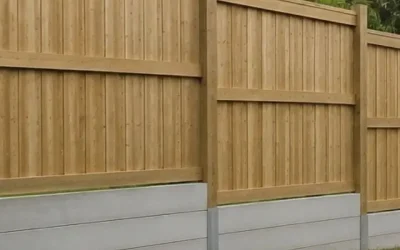
Timber fencing offers a warmer, more natural look. It suits older homes, garden settings, character properties, and front fences where texture and street appeal matter. It can also be customised more easily with different heights, profiles, capping, posts, and decorative details. The trade-off is that timber needs more care over time to keep it looking good.
How Maintenance Differs in Practice
A Colorbond fence needs very little attention once it is installed. An occasional rinse with a hose keeps it looking clean, and there is no painting, oiling, or sealing involved. For busy households, that low-maintenance profile is a genuine advantage.
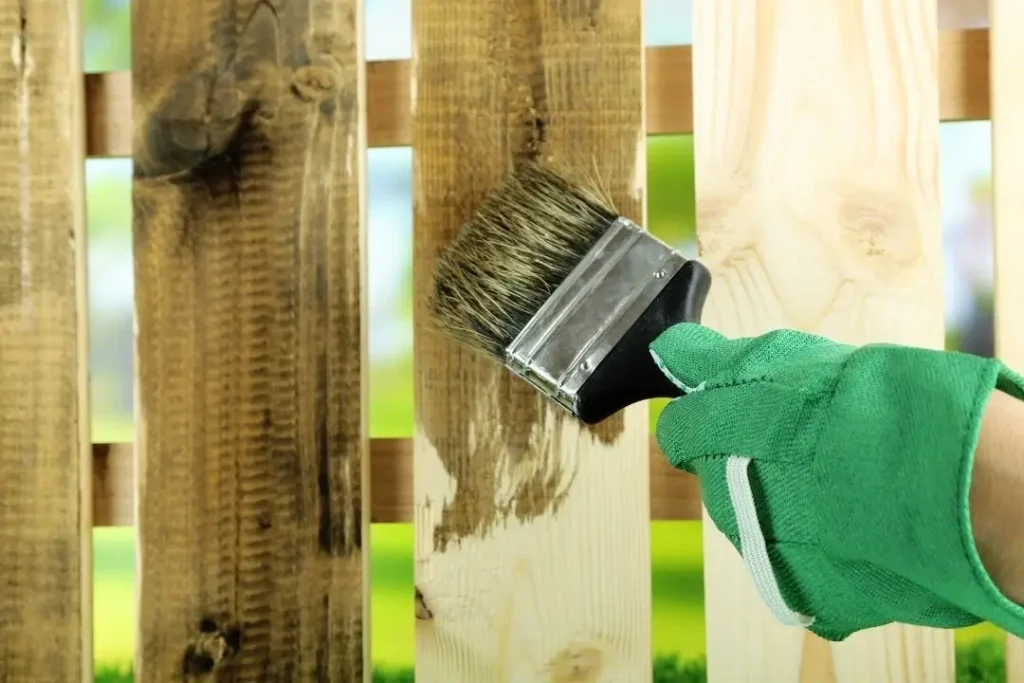
Timber is a different story. Depending on the species and finish, you will likely need to oil, stain, or repaint every few years to prevent weathering and cracking. In Logan’s humid summers, untreated or poorly maintained timber can deteriorate faster than homeowners expect.
Durability and What Affects It
Colorbond steel is built for Australian conditions, including being resistant to termites, rot, and many of the weather issues that affect timber fencing. Its colour finish is baked on during manufacturing rather than applied as a surface topcoat, so it is less likely to peel, flake, or need repainting over time. For homeowners, that means fewer maintenance issues and a more predictable long-term result.
Timber durability depends heavily on the species, treatment level, installation method, and exposure to moisture. Treated pine, hardwood, and softwood fencing can perform very differently, especially in humid or wet conditions. Posts set in the ground are often the weak point, particularly if the timber grade is not suited to soil contact, insects, and ongoing moisture.
Cost Comparison: Upfront vs Long-Term
Colorbond generally costs more upfront than basic timber options. The installation is straightforward, and because the material does not need ongoing treatment, the total cost over ten or fifteen years often works out lower than timber when you factor in maintenance.
Treated pine is typically the most affordable fencing timber at the point of purchase. Hardwoods cost more but last longer with proper care. If budget is the primary concern right now, timber can be a reasonable starting point, but it is worth being honest about whether you will keep up with the maintenance it needs.
Appearance and Property Style
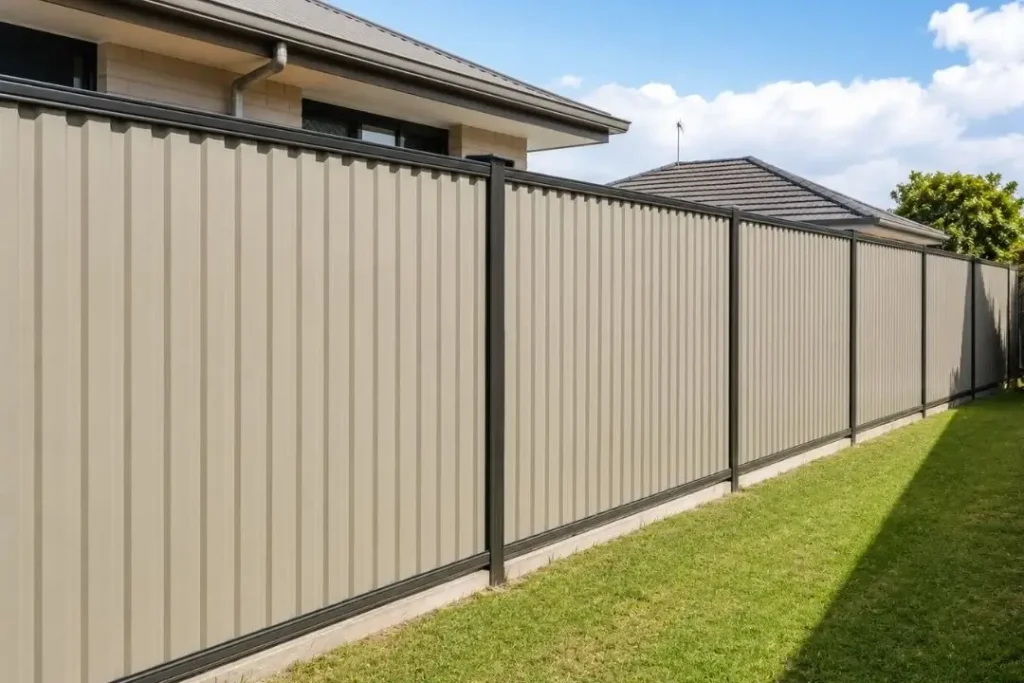
Colorbond comes in a range of colours that complement most modern and contemporary homes. The clean lines and consistent finish suit suburban properties well, and the colour range has expanded considerably over the years to include more neutral and earthy tones.
Timber suits properties where character and texture matter. A hardwood paling fence or a post-and-rail design can add genuine visual warmth to a garden or rural-style block. The look does require maintenance to stay that way, but for the right property, it is hard to match.
Which Material Suits Logan’s Climate?
Logan and South Brisbane experience hot, humid summers with periods of heavy rainfall. Those conditions accelerate timber deterioration if the fence is not properly sealed and maintained. Colorbond handles that environment without any intervention from the homeowner.
That said, termite pressure is a real consideration in this region. Colorbond posts and panels are not a food source for termites, which removes one significant risk from the equation. Timber posts set in the ground are particularly vulnerable, especially if the treatment grade is not appropriate for the soil and moisture conditions on your block.
Where Each Material Makes the Most Sense
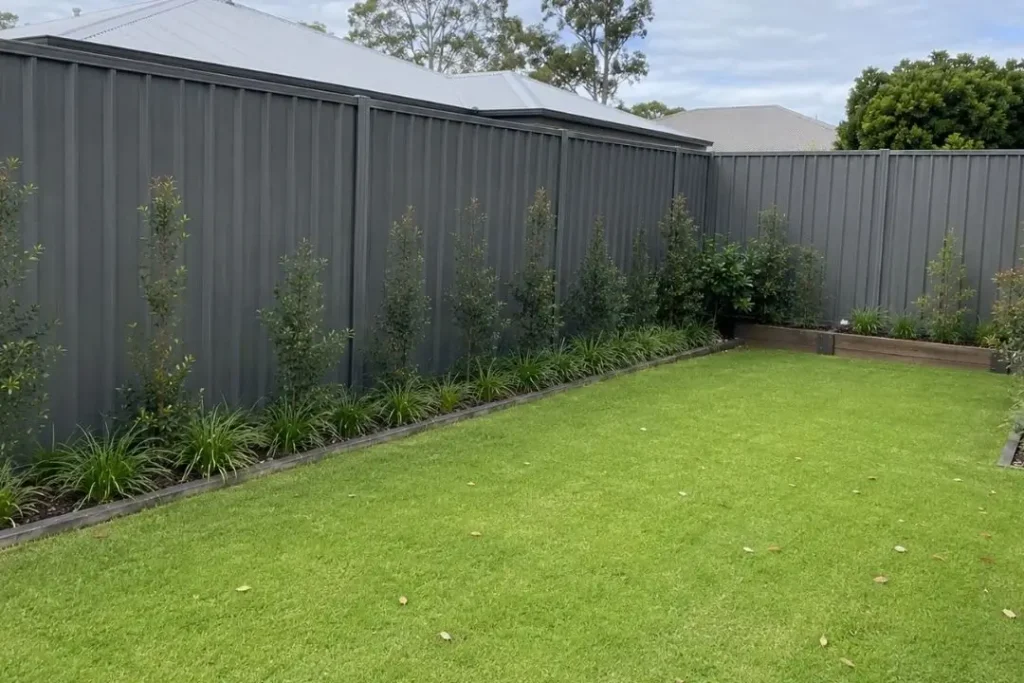
Colorbond suits homeowners who want a long-lasting, low-maintenance boundary fence with a clean modern look. It works well along side boundaries, around pools, and anywhere that security and privacy are the main goals. If you are considering Colorbond fencing options for your property, the range of profiles and colours available makes it easier to find something that suits your home’s style.
Timber suits homeowners who prioritise aesthetics and are prepared to maintain the fence over time. It is also a good option for front garden fencing, decorative screens, or properties where a natural material fits the overall design.
Making the Decision
Neither material is universally better. Colorbond wins on durability, termite resistance, and low maintenance. Timber wins on natural aesthetics and upfront affordability in some cases. The right choice depends on your property, your budget, and how much time you want to spend on upkeep.
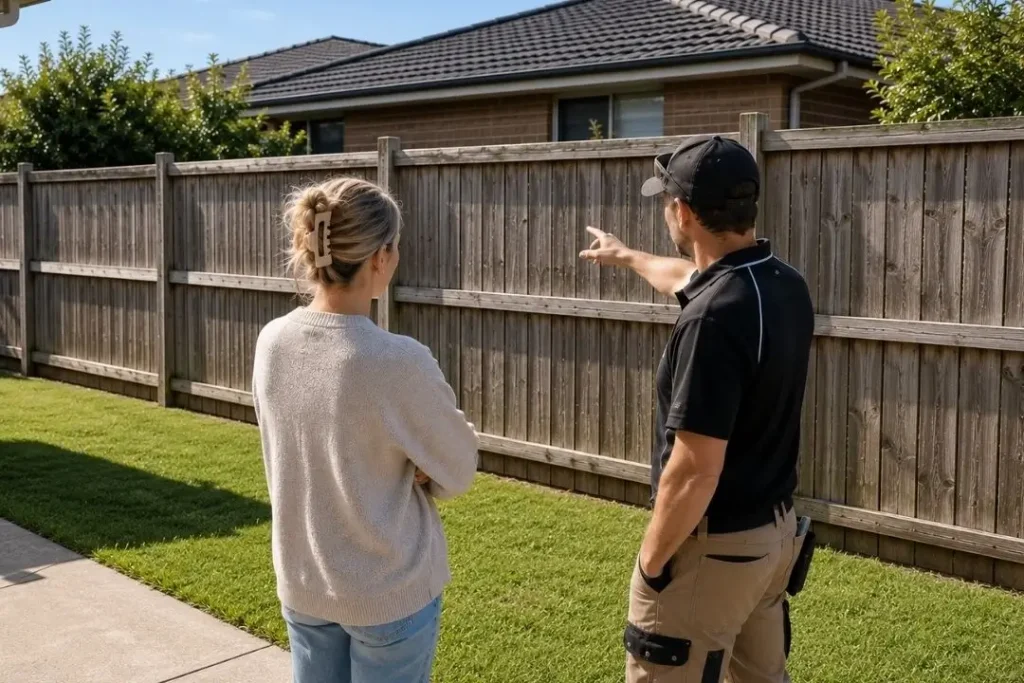
If you are still unsure, talking through your specific situation with a local fencing contractor is the most practical next step. A site visit gives a much clearer picture than any general comparison can.
Ready to Choose the Right Fence for Your Property?
Our team installs both Colorbond and timber fencing Logan homeowners can rely on for privacy, security, and long-term street appeal. We can walk you through the options that suit your block, your budget, and your home’s style without any pressure to go one way or the other.
For fencing in Springwood, Shailer Park and other surrounding suburbs, call us on (07) 3132 0038 and we’ll come out and provide a free quote and advice on the material that best suits your needs.